











About this UNit
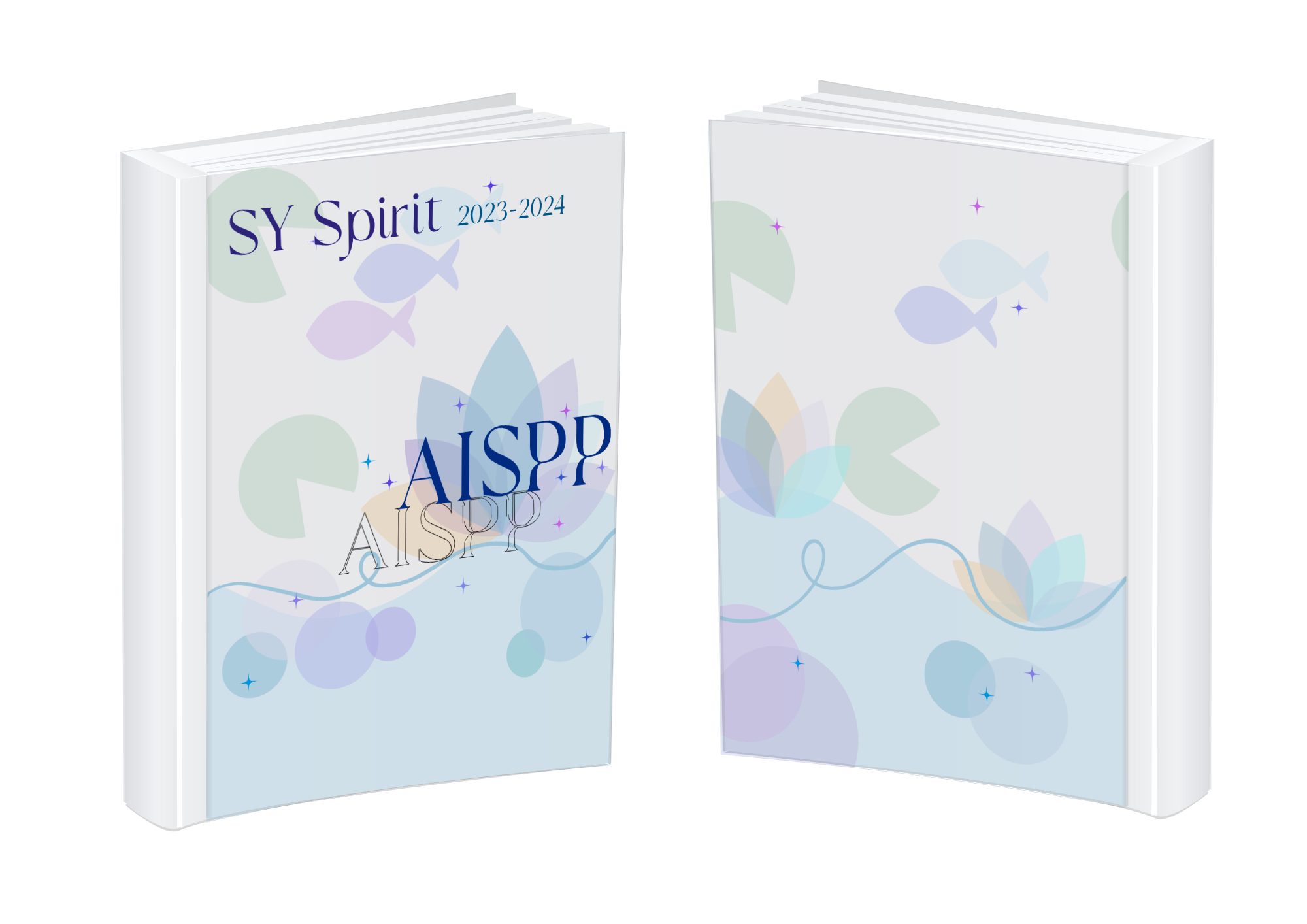
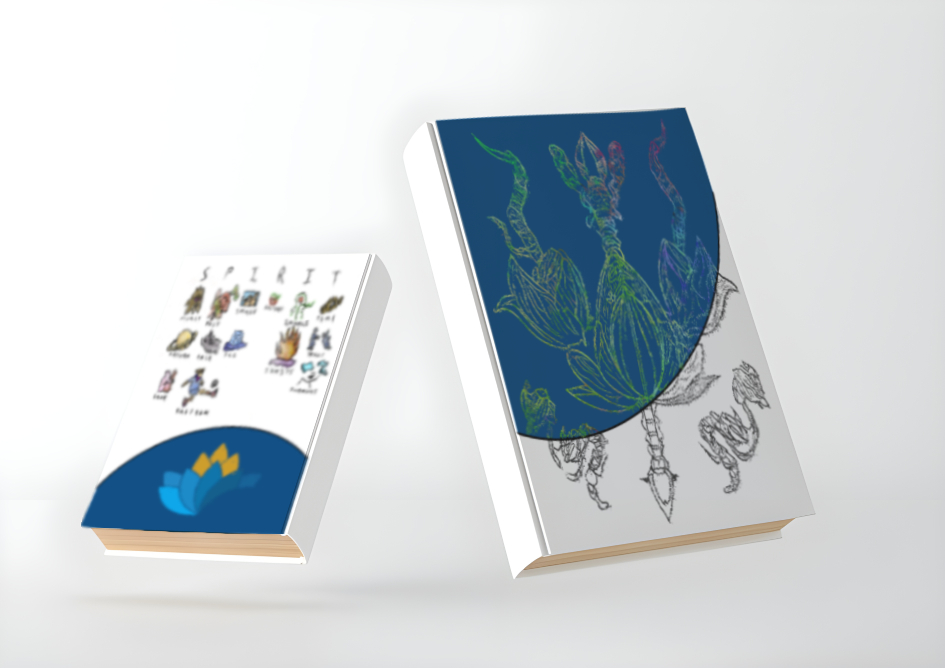
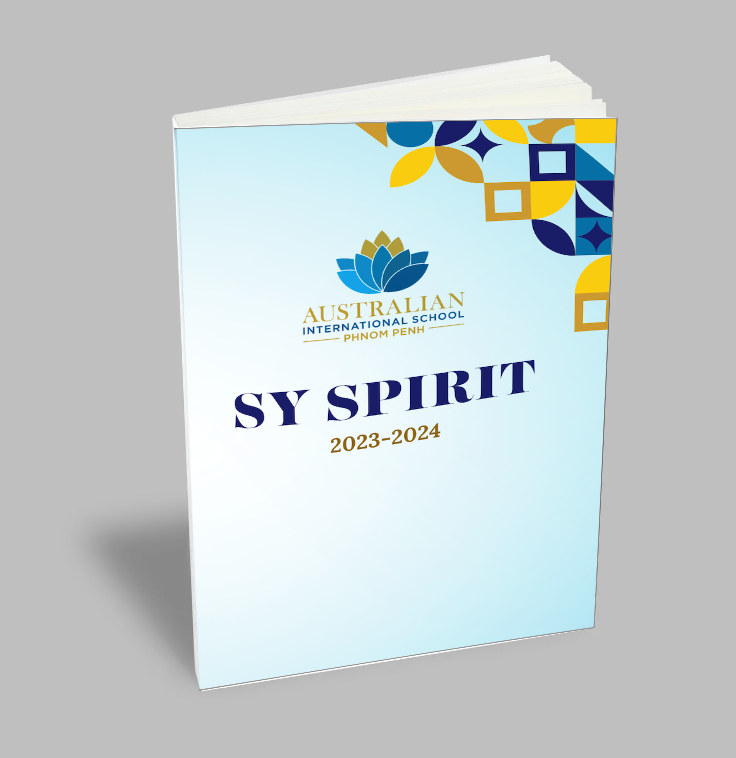
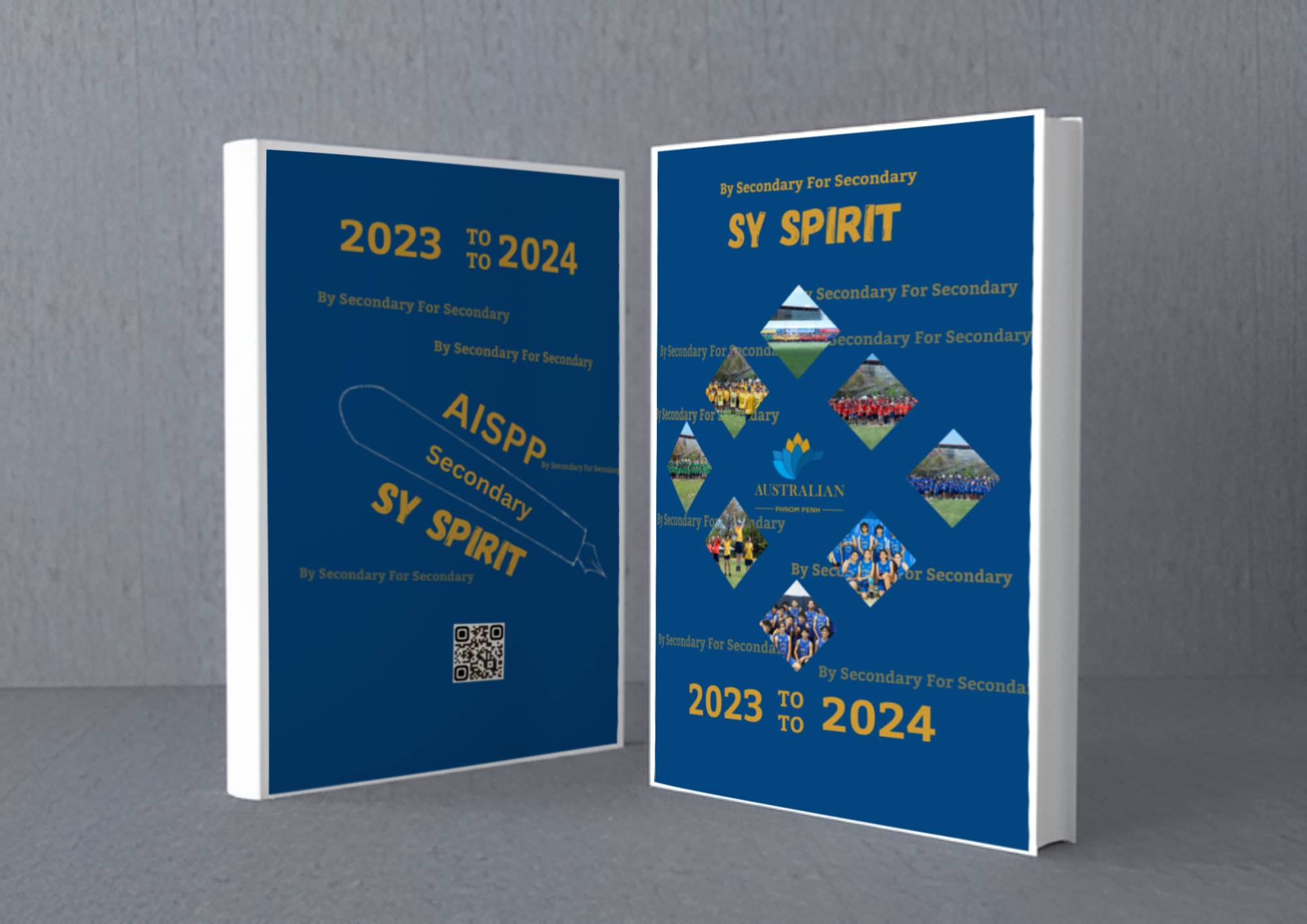
Students utilise the Design Cycle to explore how visual communication and cultural sensitivity influence the design of book covers for diverse audiences. Engaging with the key concept of Cultural Expression, they investigate how aesthetic choices influence perception, convey meaning, and celebrate cultural identity. By reimagining book covers for selected literary works, students develop design solutions that resonate with targeted communities around the world while promoting inclusivity and fostering global understanding.
Investigate
- Research the cultural contexts of selected literary works, exploring author background, setting, themes, and cultural symbolism.
- Analyse existing book covers to understand how typography, imagery, colour, and composition communicate cultural identity and appeal to specific target audiences.
- Examine how book cover design influences audience engagement, perception, and marketability across different cultures.
Develop Ideas
- Generate creative concepts that incorporate cultural motifs, symbols, and visual metaphors aligned with the narrative and context of the book.
- Formulate inquiry questions such as “How can typography communicate cultural tone?” or “In what ways can colour create emotional resonance for a specific cultural audience?”
- Experiment with layout sketches and digital mock-ups, using graphic design tools to explore style and mood.
Create the Solution
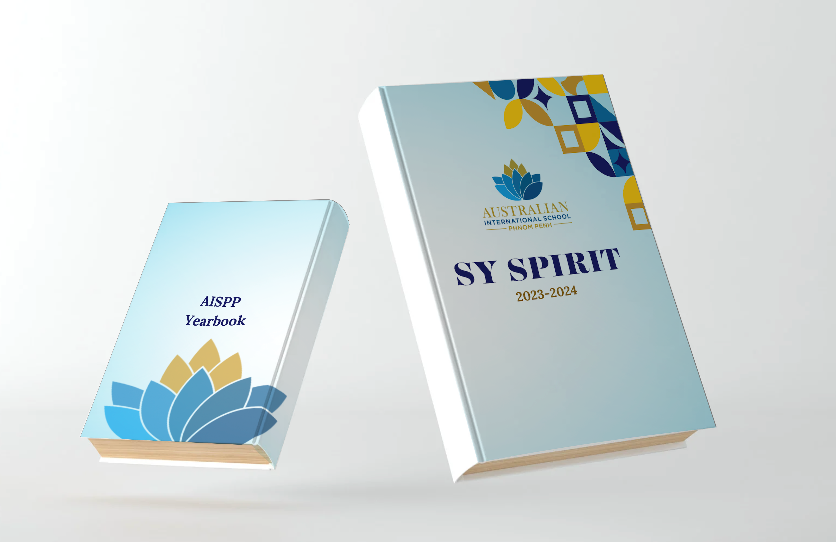
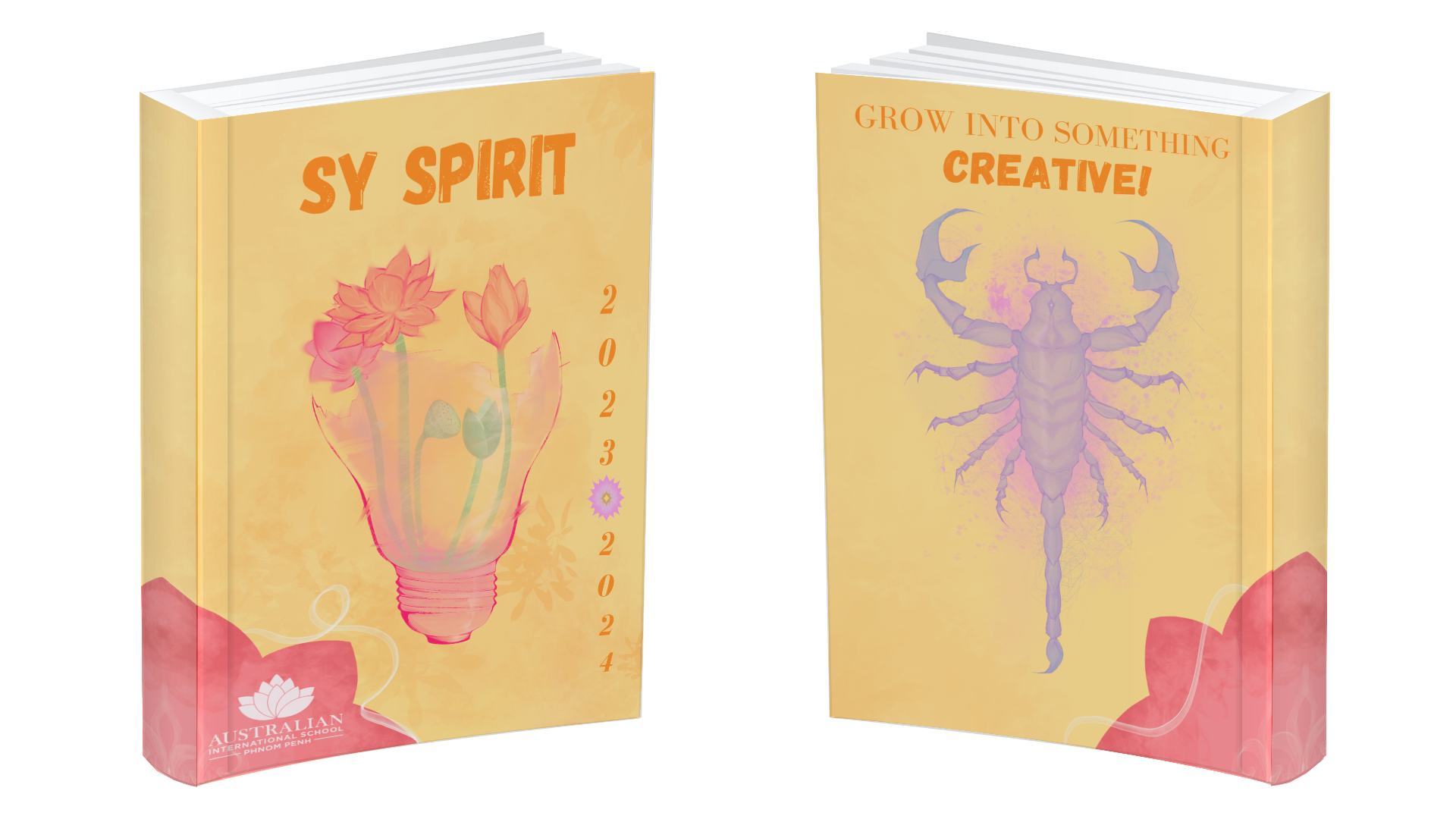
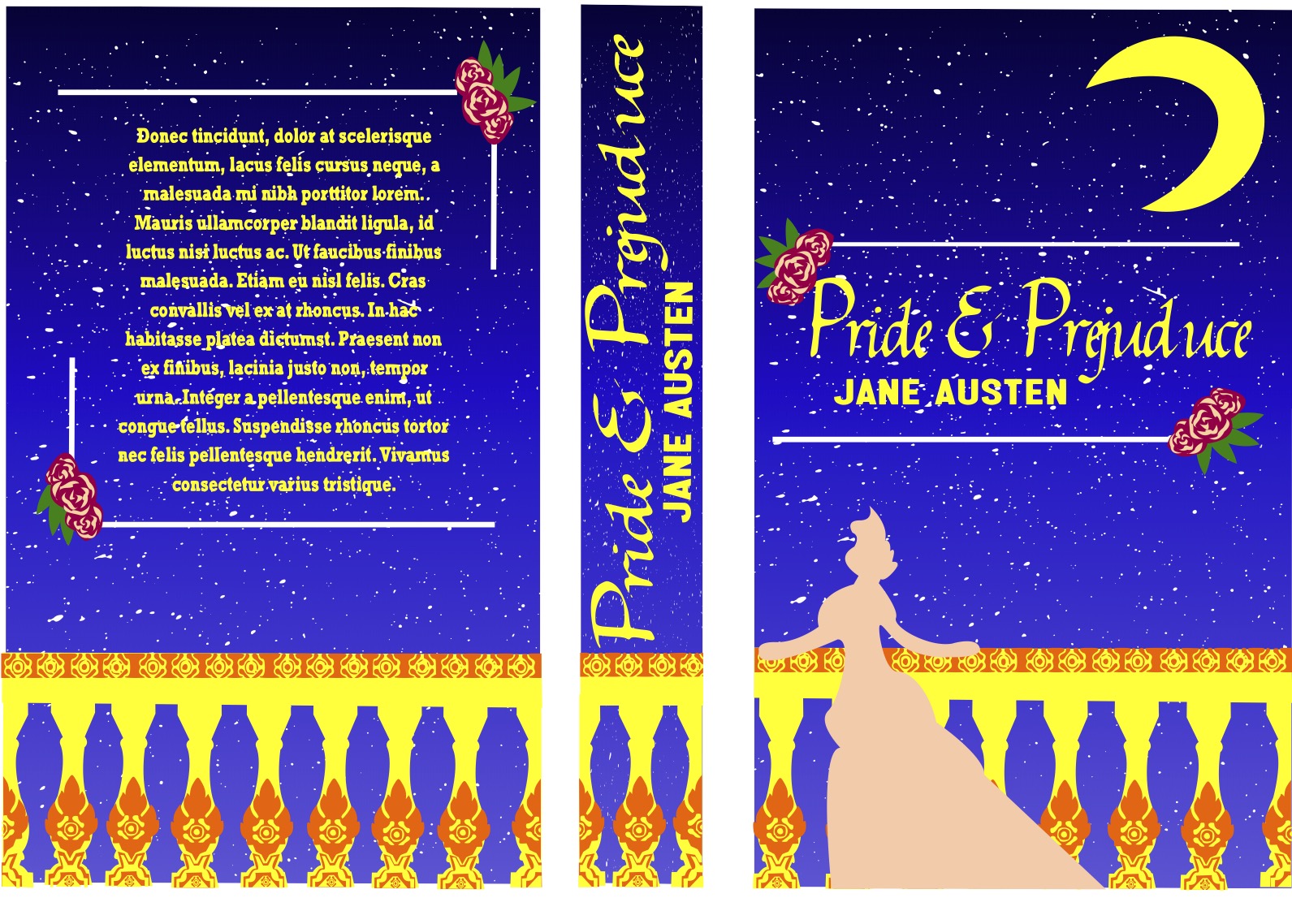
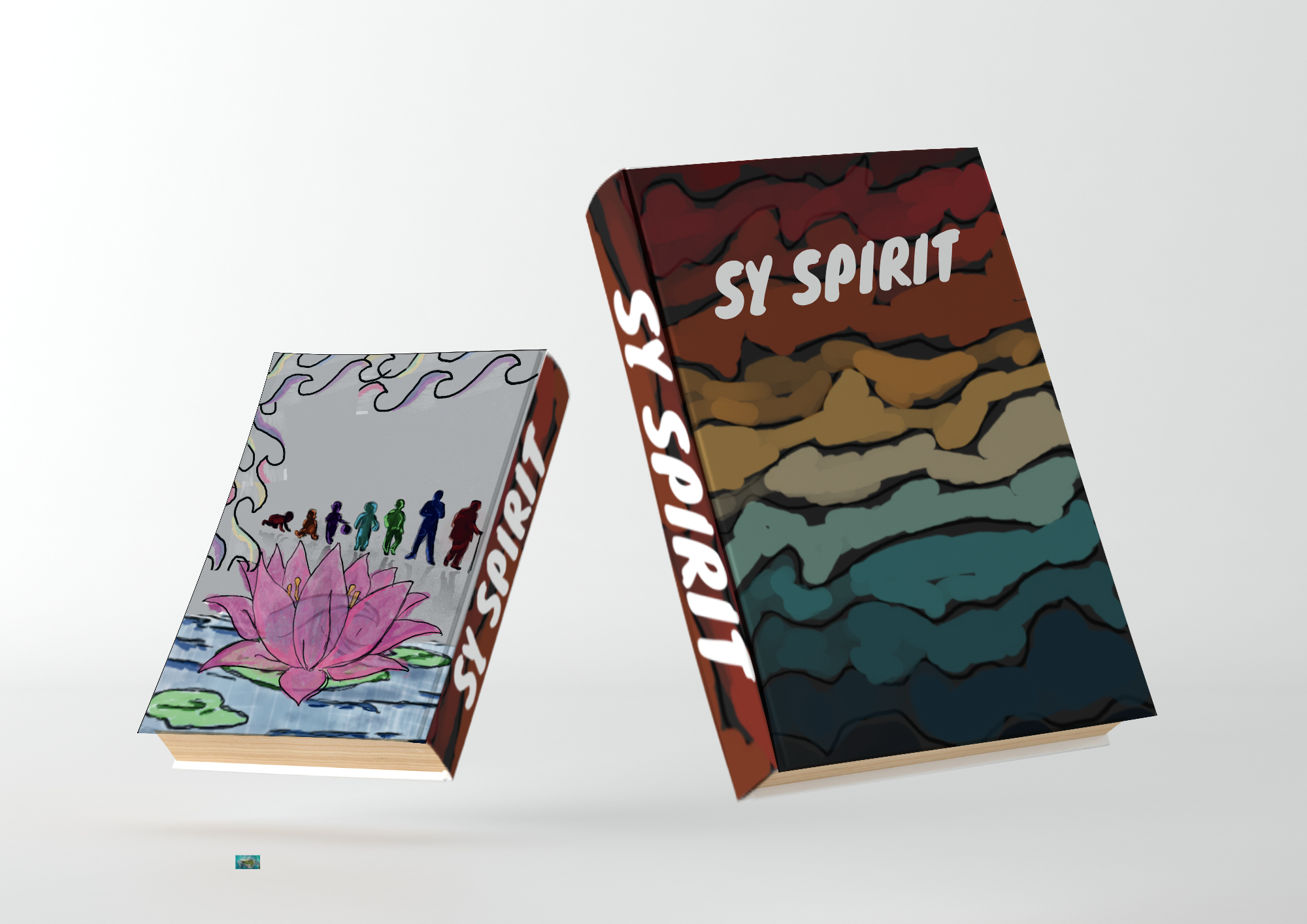
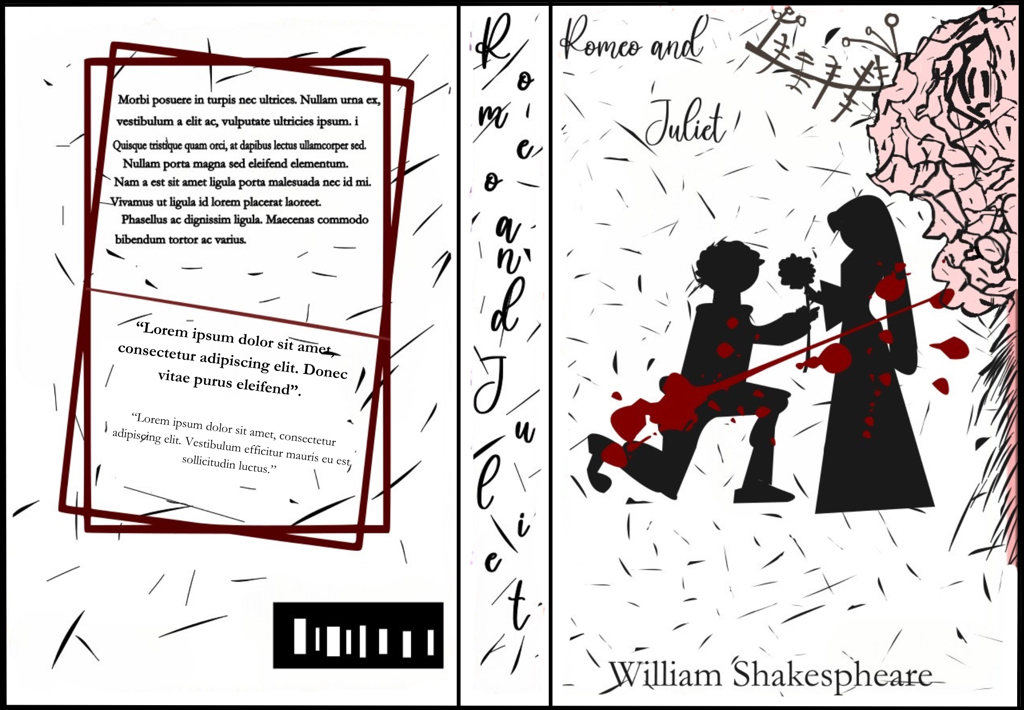
- Produce a reimagined book cover that targets a specific cultural audience, integrating elements of visual hierarchy, balance, typography, and symbolism.
- Apply graphic design software to refine imagery, text placement, and compositional structure to effectively communicate the book’s narrative and cultural themes.
- Iterate on feedback from peers and teachers to enhance clarity, cultural relevance, and aesthetic impact.
Evaluate
- Present the final book cover design, clearly articulating the cultural expressions and design principles embedded in their work.
- Reflect on how effectively the cover appeals to the intended audience and communicates key themes of the literary text.
- Evaluate the design process, identifying strengths and opportunities for further development in both cultural understanding and visual communication.
 Kev Watson Visual Arts & Digital Design K-12