





About this Unit
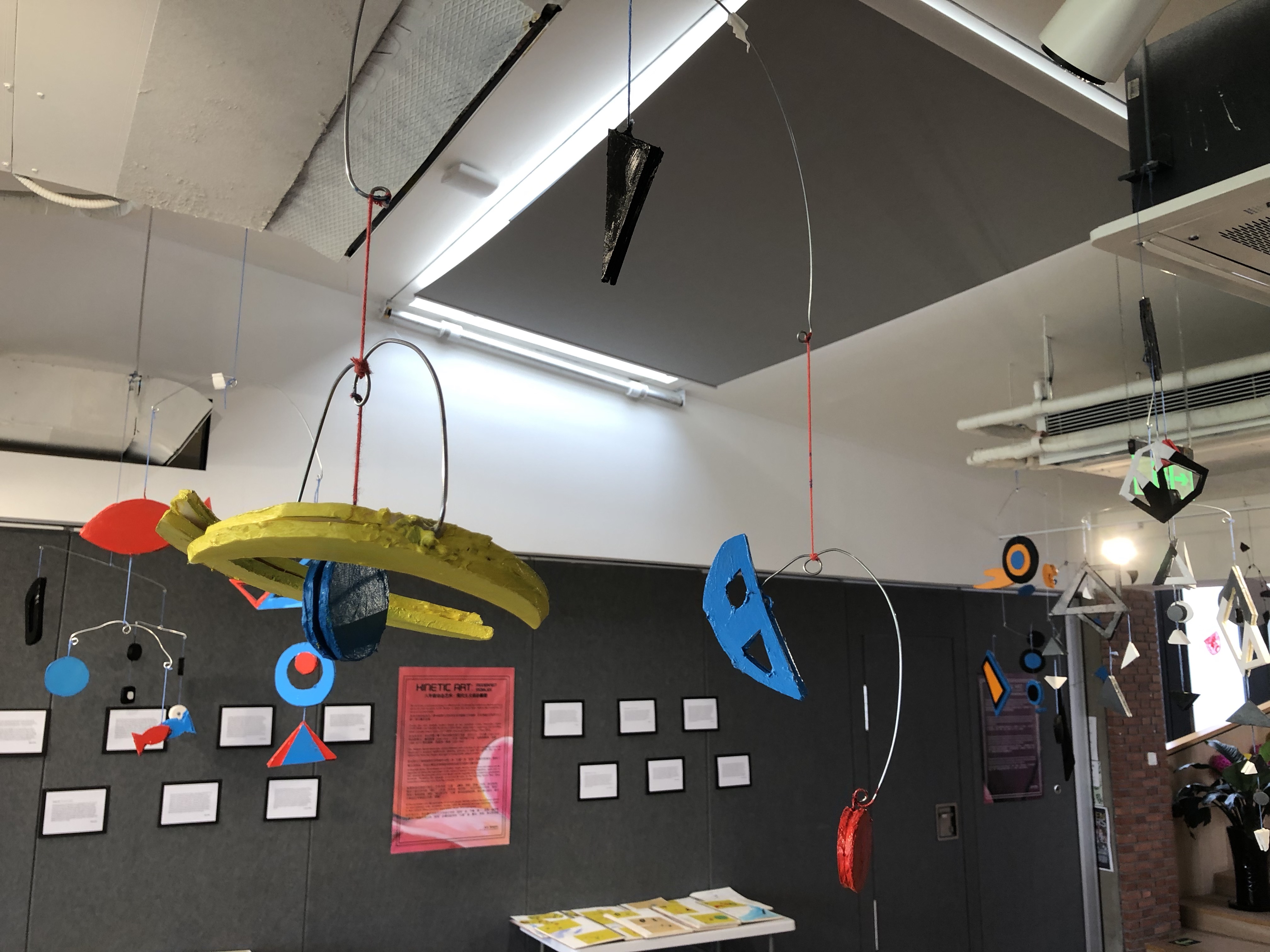
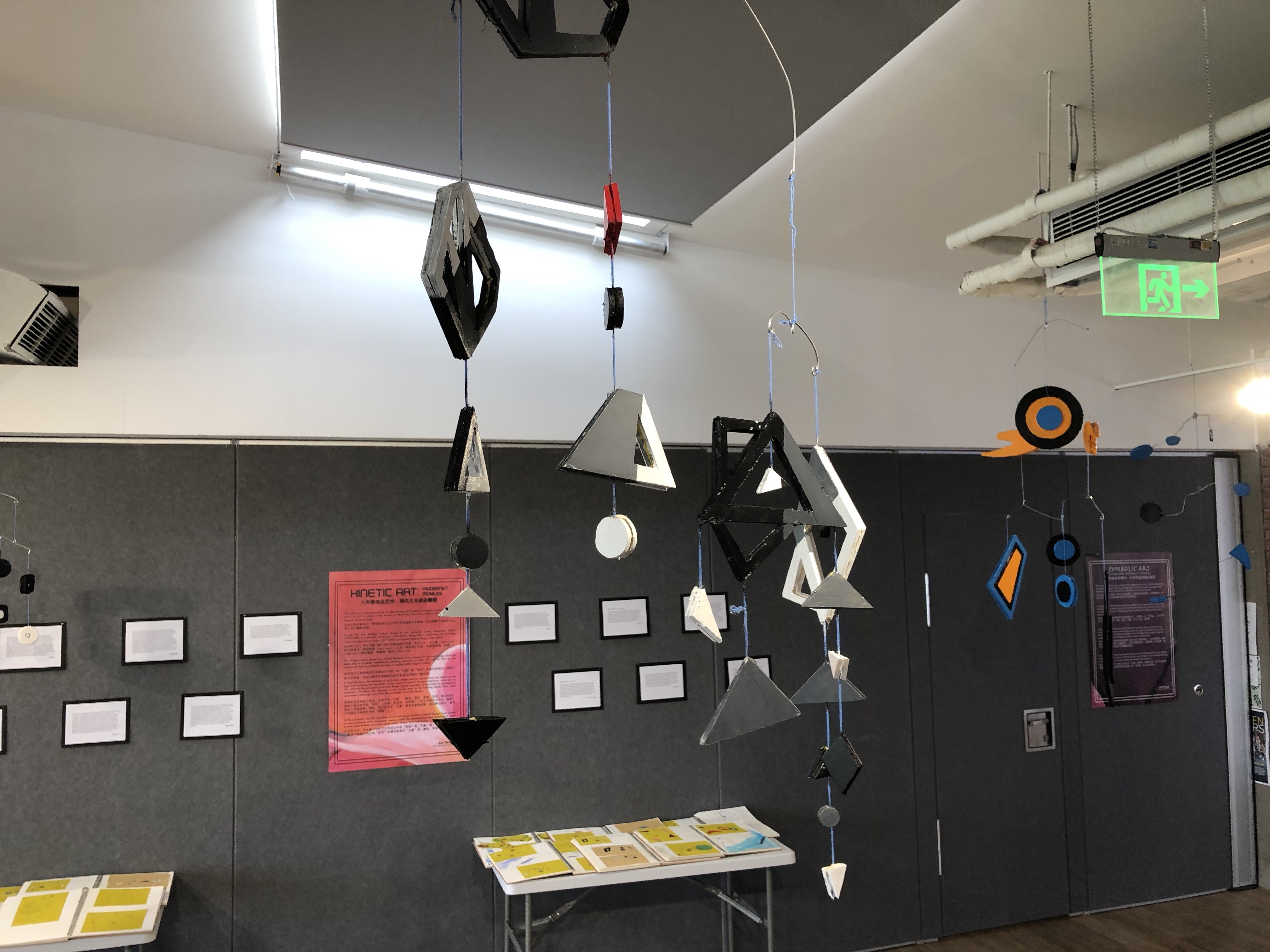
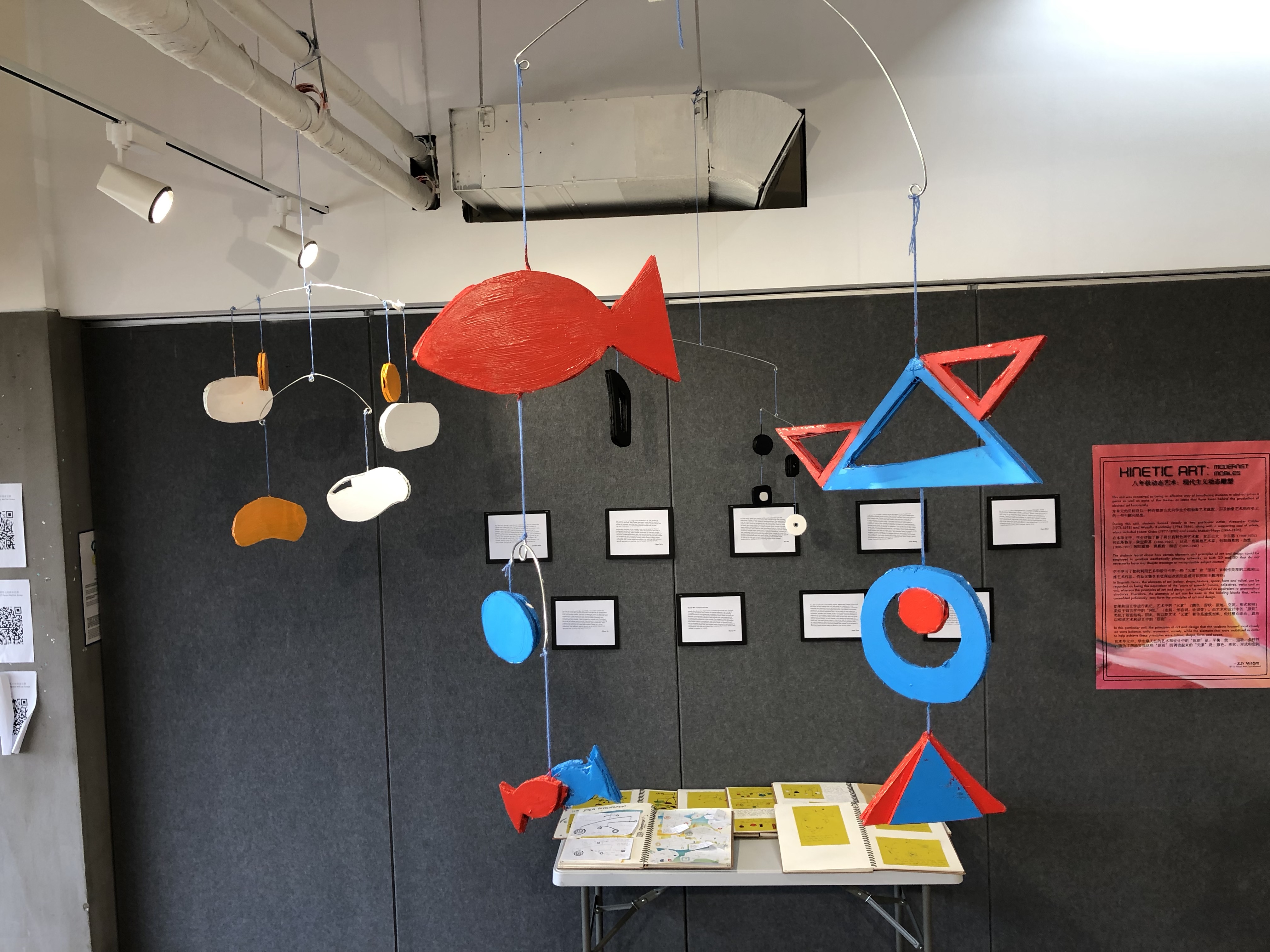
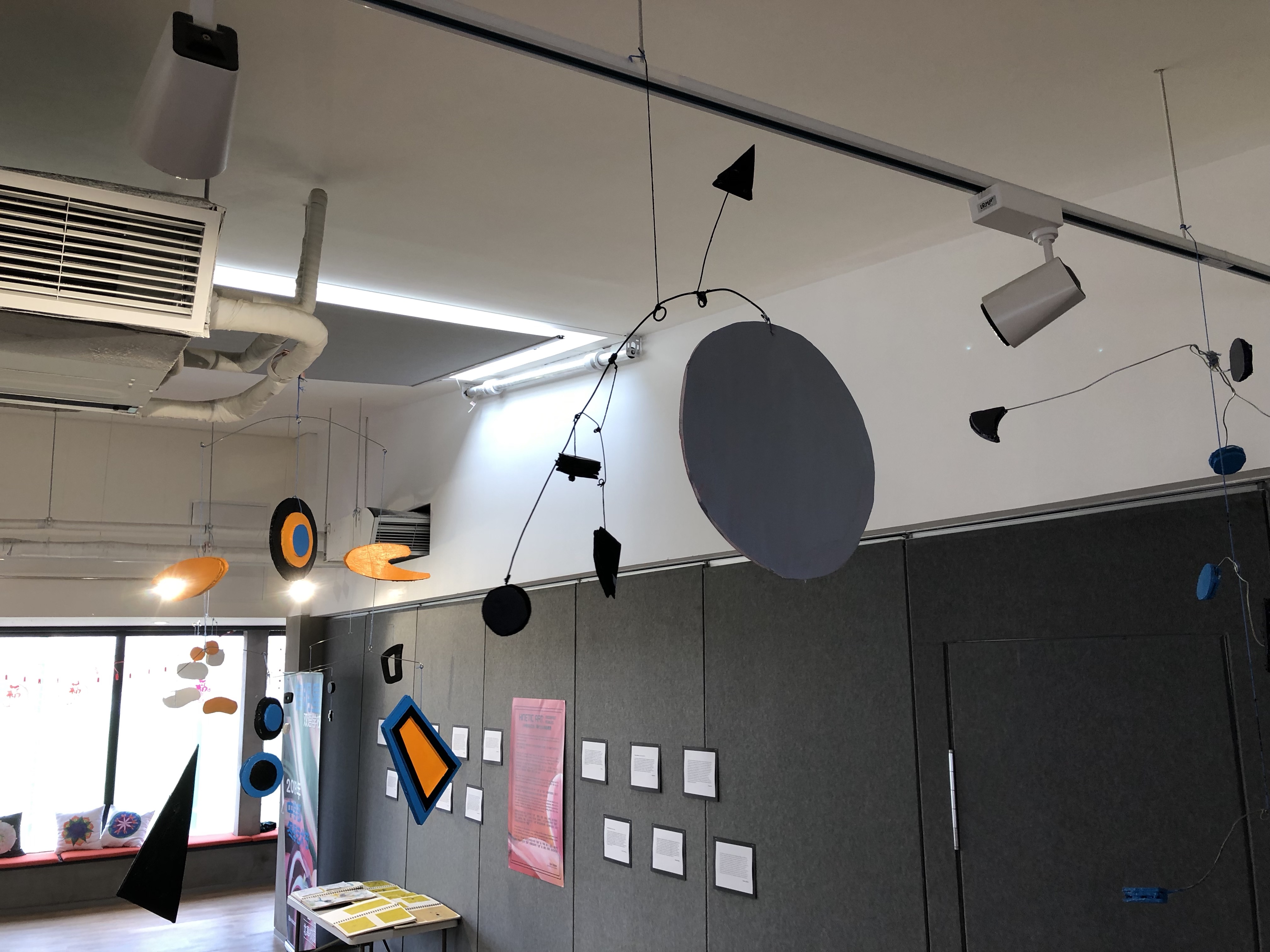
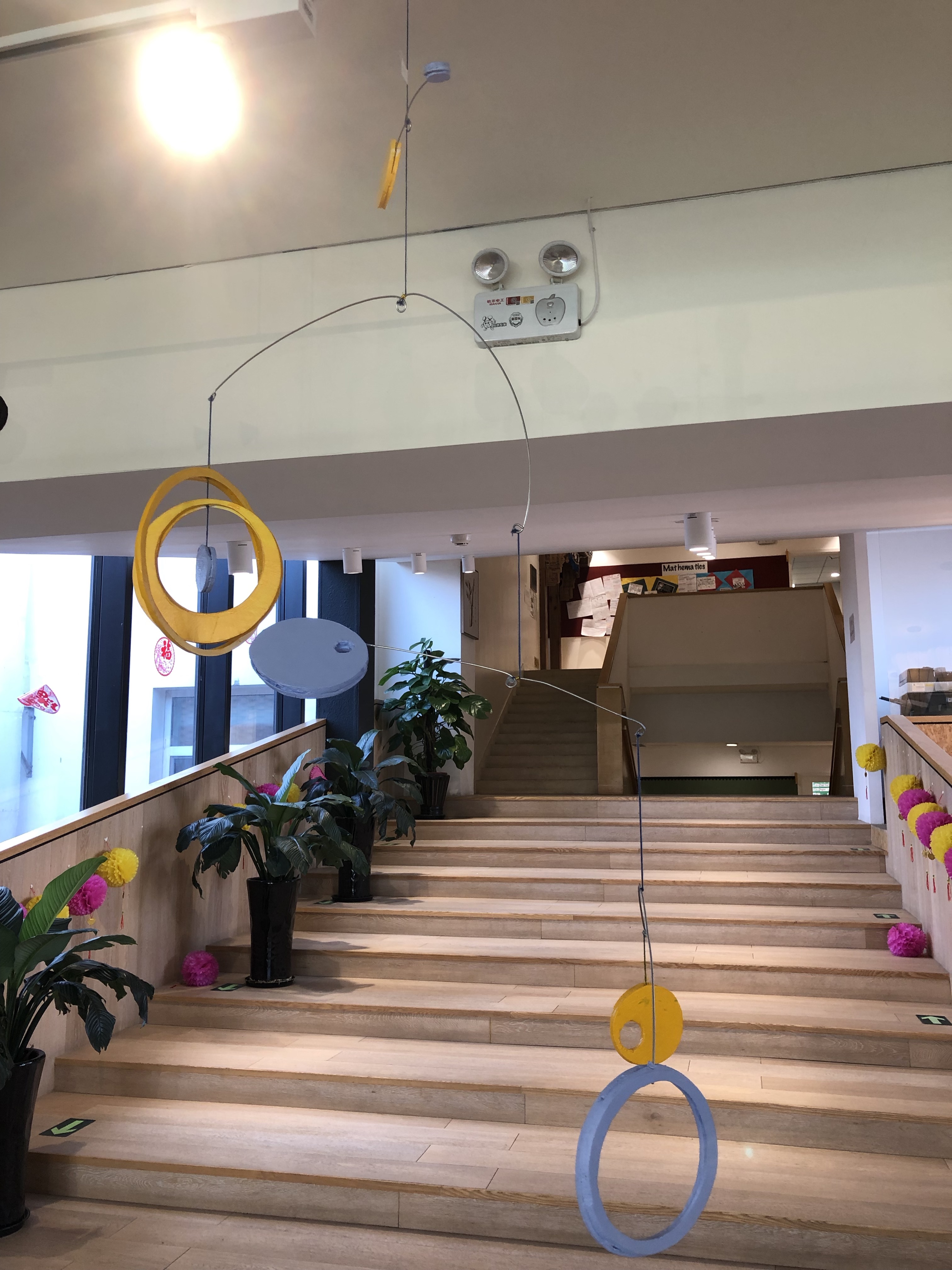
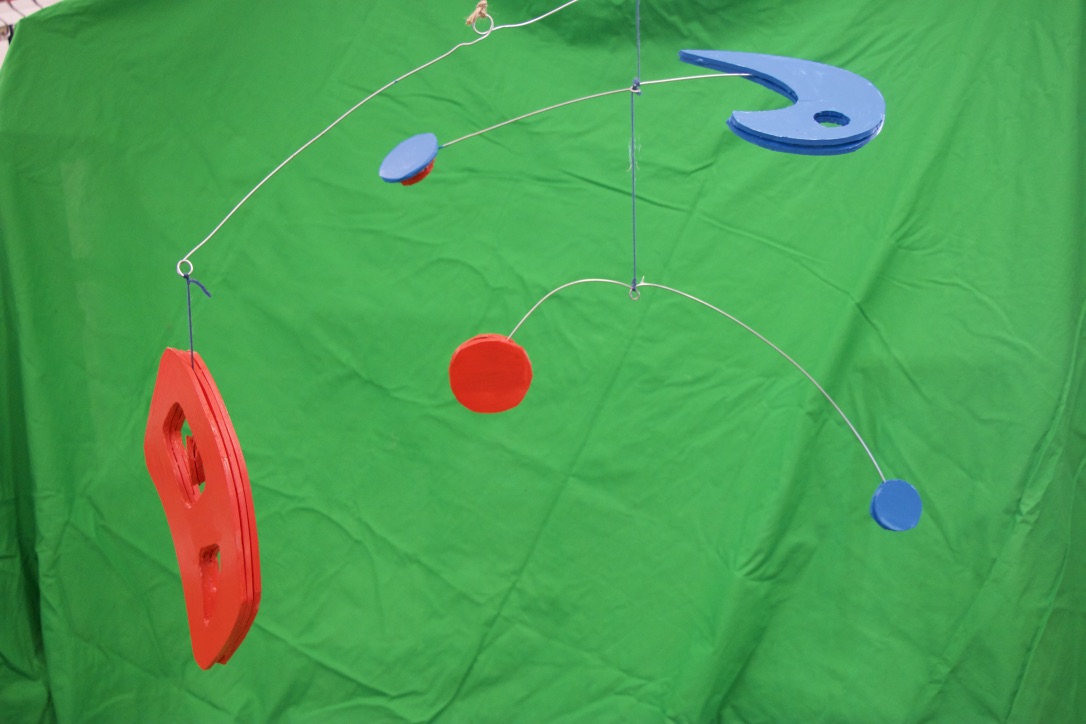
Students engage in the Creative Process, progressing through stages of vocabulary acquisition, research, experimentation, reflective analysis, idea generation, and sculptural realisation. This unit introduces students to Modernist kinetic art, with a focus on movement, balance, abstraction, and the use of non-traditional materials. Students will create a non-representational kinetic mobile sculpture using wire and nylon, reflecting artistic intention and mastery of physical balance, rhythm, and spatial harmony.
Foundations: Observation and Perception
- Build foundational understanding by collaboratively defining key art vocabulary related to kinetic sculpture (movement, equilibrium, form, rhythm, balance, abstraction).
- Create translated terminology lists (English–Chinese–Pinyin) to ensure precise conceptual understanding and promote bilingual visual literacy.
- Research Modernist artists such as Alexander Calder and Naum Gabo, analysing their sculptures in relation to form, space, balance, variety, movement, and rhythm.
- Record observations and cultural context in the process journal, making connections to prior learning and contemporary interpretations of kinetic art.
Creative Expression
- Experiment with wire manipulation and bonding techniques, exploring how form, movement, and equilibrium can be engineered through sculptural construction.
- Conduct multiple material trials and record findings through photographs and reflective annotations in process journals.
- Use the Creative Process to develop conceptual ideas, beginning with artist intention planning that clarifies visual goals, meaning, and inspiration drawn from the natural or built environment.
- Generate a range of initial thumbnail ideas, applying principles of abstraction, balance, and motion, followed by evaluation and refinement through iterative sketching and wire maquettes.
Historical and Cultural Relevance
- Explore the rise of Modernism and the shift towards abstraction and movement in 20th-century sculpture.
- Explain how kinetic sculpture emerged from changing cultural contexts, technological innovation, and new understandings of space and time.
- Identify how kinetic artworks reflect values of innovation, experimentation, and the rejection of traditional representational forms.
- Reflect on how movement in sculpture engages audiences differently than static art, promoting interaction, perception, and contemplation.
Critical Evaluation & Response
- Document regular reflections in the process journal to evaluate how research and experimentation inform conceptual developments.
- Analyse and compare works of key Modernist kinetic sculptors, applying appropriate art vocabulary and principles of critique.
- Use reflective tools (such as PMI charts and written evaluations) to assess multiple design concepts and justify artistic decisions.
- Critically evaluate the final sculpture’s effectiveness in communicating balance, rhythm, and expressive movement, considering both aesthetic and structural success.
 Kev Watson Visual Arts & Digital Design K-12